Angelman syndrome (AS) is a genetic syndrome characterized by severe intellectual disability, learning disabilities, epilepsy, unsteadiness, jumping movements, easy smiling, no speech, and certain appearance features.
Cerebral palsy (CP)
Cerebral palsy, which occurs at birth due to brain damage, is not contagious.
Ajwain, ajowan or Trachyspermum ammi-maybe better known as ajowan caraway, thymol seeds, bishop’s weed or carom-is an annual spice crop in the family of Apiaceae. The human diet has both its leaves and seed‑like fruit, which actually are not seeds, but mericarps. A frequent other name for this plant is “bishop’s weed.” A synonymous term for the “seed” (= fruit) is lovage “seed.”.
It is also used as a folk medicine for a group of ailments including belly ache, indisposition, acid reflux, vomiting, stomach bloat, abdomen gas, loose motion, diarrhea, respiratory problem and heaviness in the abdomen after dinner. One of these plants is Trachyspermumammi, popularly known as Ajwain. It belongs to family Apiaceae. It usually grows all over India, particularly in Rajasthan and Gujarat, because of its traditional demand. Since the extract of the plant has been used conventionally for a long time for the treatment of different types of inflammation and disorders of the gastrointestinal system, it is also believed to be nontoxic. It will also have an added advantage over various other botanical products due to easy availability and cost-effectiveness on account of antioxidant activity. Plants have used by man since time immemorial to treat life-threatening irresistible conditions, and part of these traditional remedies are presently taken in as a part of the typical treatment of different ailments. Pathogenic and decaying microorganisms in nourishments are increasingly of interest and concern as a consequence of the expansion in the frequency of food-borne ailment. The general antagonist of bacterial blends-essential oils and extracts on various edible and valuable plants, herbs and flavorings which through the ages have been conventionally applied as common additives against the spoilage of food and beverages because of the rate of antimicrobial blends-are being utilized today.
equally fit for the treatment of love potions and adverse discharge. Among the several other external facilitates, Ajwain is efficient in treating asthma, foolishness, colic ear diseases and disorders. Besides the potent disease prevention expert activity, the Ajwain methanolic extract was reportedly showing in vivo hepatoprotective activity by 80% protection against a standard toxic dose of paracetamol in irritants. The following study was aimed at studying the bronchodilator effect of the decocted concentrate of Ajwain on airflow curves of asthmatic patients. Results have shown that, at the concentrations used, Theophylline was present; the extract has an effect on asthmatic airway passages.
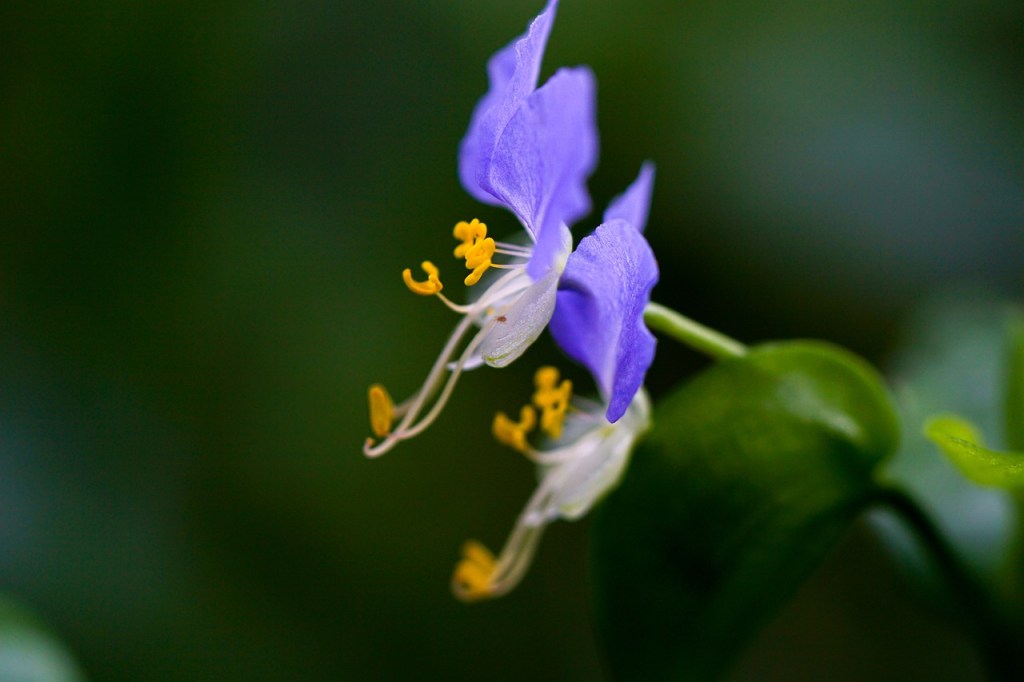
Commelina communis, ordinarily known as Asian dayflower, is a herbaceous yearly plant in the dayflower family. It gets its name because the blossoms last just a single day. It is local to many East Asia and the northern pieces of Southeast Asia. In China, the plant is known as yazhicao, which generally signifies “duckfoot weed,” while in Japan it is known as tsuyukusa), and which signifies “dew weed.” It has likewise been brought into parts of focal and southeastern Europe and much of eastern North America, where it has turned into a harmful weed. It is normal in upset destinations and clammy soils. The blossoms show up from summer to fall and are portrayed by two moderately huge blue petals and one tiny white petal.
 Welcome to my land